
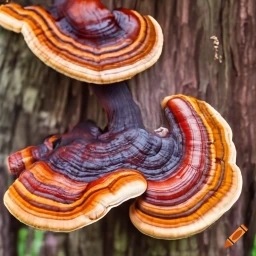
What is Reishi?
By the 15th century in China, the Emperor and his immediate clan were the only ones in the country allowed to possess the rare Reishi mushroom, known to them as “the mushroom of spiritual potency” and now botanically known as Ganoderma Lucidum. This highly valued medicinal mushroom was known to lengthen life when consumed as a daily tonic tea. Reishi has now been proven by modern science as having one of the most notable health and wellness preserving properties.
The Chinese determined thousands of years ago that Reishi is an adaptogenic herb. Adaptogens are known for generally enhancing longevity. Being classified as an adaptogen also means that when consumed daily, Reishi will bring organ systems in the body back into balance which is a base requirement in achieving optimal health and balance. Now we begin to understand why the ancient culture that consumed the Reishi mushroom for thousands of years called it “The Mushroom of Immortality”. One of the benefits of consuming an adaptogen is that it is immune modulating. This means that Reishi mushroom will balance the organs and immune system to raise the activity of a depressed immune system (cancer, AIDS, infections, cold, flu, hepatitis, radiation, etc.) OR to lower the activity of an over active immune system (auto immune diseases).
A Closer Look at the Benefits of Reishi
As earlier mentioned, when the matrix of nutrients contained in reishi is examined by modern chemists and physicians, it is unveiled as to why traditional cultures viewed this medicinal herb as one of the most broad spectrum and powerful medicinal tonics found in nature. To get a better idea of just what it is in this mushroom that so effectively builds and balances health in the human body, let’s break down some of reishi’s components that have been discovered and studied. We will discuss each major component and how they benefit specific organ systems.
All the benefits about to be discussed come from numerous scientific studies. Here is a link to a quality comprehensive study. (Seweryn et al. 2021)
–FIRST COMPONENT – POLYSACCHARIDES– Polysaccharides very complex long chains of glyconutrients (technically they are a highly complex type of carbohydrate) that have been studied to have a wide range of health benefits.
Take note that polysaccharides are water soluble.
The polysaccharides derived from reishi mushrooms are among the key bioactive compounds responsible for many of their health benefits. Here is a detailed breakdown of the benefits of reishi polysaccharides across various categories:
1. Immune Enhancing and Modulating Effects
Immune System Activation:
- Reishi polysaccharides can stimulate the activity of various immune cells, including macrophages, T-lymphocytes, and natural killer (NK) cells. This activation helps the body to defend against infections and diseases more effectively.
Cytokine Production:
- They can enhance the production of cytokines, which are signaling molecules that help regulate the immune response. This includes both pro-inflammatory and anti-inflammatory cytokines, aiding in a balanced immune reaction.
Adaptive Immune Response:
- Reishi polysaccharides can improve the adaptive immune response by promoting the proliferation and differentiation of B and T cells. This enhances the body’s ability to remember and respond to specific pathogens.
Antiviral Activity:
- They have shown potential in inhibiting the replication of certain viruses, possibly by enhancing the immune system’s ability to target and destroy infected cells.
2. Antioxidant Benefits
Free Radical Scavenging:
- Reishi polysaccharides possess strong antioxidant properties, helping to neutralize free radicals in the body. This reduces oxidative stress and protects cells from damage.
Enhancement of Antioxidant Enzymes:
- They can increase the activity of endogenous antioxidant enzymes like superoxide dismutase (SOD), catalase, and glutathione peroxidase, which further contributes to reducing oxidative damage.
Prevention of Lipid Peroxidation:
- By preventing the oxidation of lipids, reishi polysaccharides help in maintaining the integrity of cell membranes and reducing the risk of chronic diseases linked to oxidative stress.
3. Anti-Neurodegenerative Effects
Neuroprotection:
- Reishi polysaccharides have neuroprotective effects, potentially through their antioxidant properties, which help protect neurons from oxidative damage.
Reduction of Neuroinflammation:
- They can help reduce inflammation in the nervous system, which is a contributing factor in neurodegenerative diseases like Alzheimer’s and Parkinson’s disease.
Cognitive Function Improvement:
- Some studies suggest that reishi polysaccharides may improve cognitive functions and memory, likely due to their neuroprotective and anti-inflammatory effects.
Inhibition of Amyloid-Beta Plaque Formation:
- Reishi polysaccharides may inhibit the formation of amyloid-beta plaques, which are associated with the development of Alzheimer’s disease.
4. Antidiabetic/Blood Sugar Lowering Effects
Blood Glucose Regulation:
- Reishi polysaccharides can help regulate blood sugar levels by enhancing insulin sensitivity and promoting glucose uptake in cells.
Improvement in Insulin Resistance:
- They may reduce insulin resistance, a key factor in type 2 diabetes, thereby improving overall metabolic control.
Reduction of Blood Lipids:
- Reishi polysaccharides can help lower blood lipid levels, which is beneficial for people with diabetes as they often have dyslipidemia (abnormal amount of lipids in the blood).
Protection of Pancreatic Beta Cells:
- They can protect pancreatic beta cells (which produce insulin) from damage, thus supporting better insulin production and secretion.
5. Anti-Inflammatory Benefits
Inhibition of Inflammatory Mediators:
- Reishi polysaccharides can inhibit the production of pro-inflammatory cytokines and other inflammatory mediators like prostaglandins and leukotrienes.
Reduction of Chronic Inflammation:
- By modulating the immune system and reducing pro-inflammatory cytokine levels, reishi polysaccharides help in managing chronic inflammation, which is a root cause of many chronic diseases.
Joint Health:
- They may provide relief in inflammatory conditions such as arthritis by reducing inflammation in the joints and improving mobility.
Gut Health:
- The anti-inflammatory properties of reishi polysaccharides can also benefit gut health by reducing inflammation in the digestive tract, which can improve conditions like inflammatory bowel disease (IBD).
In summary, reishi polysaccharides offer a wide range of health benefits, making them valuable in supporting the immune system, protecting against oxidative stress, improving cognitive health, regulating blood sugar levels, and reducing inflammation.
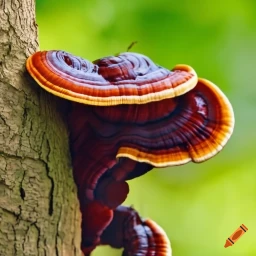
–SECOND COMPONENT – TRITERPENES– The triterpenes in Reishi are called ganoderic acids. These compounds found in Reishi that have astounded scientists in the medical field. Take note that triterpenoids are not water soluble, rather they are soluble in alcohol. Here’s a detailed breakdown of the benefits of reishi triterpenoids across various categories:
1. Hepatoprotective
Liver Protection:
- Reishi triterpenoids have been shown to protect the liver from damage caused by toxins, drugs, and alcohol. They help in reducing liver inflammation and preventing liver fibrosis.
Detoxification Enhancement:
- They enhance the liver’s detoxifying functions by promoting the activity of liver enzymes involved in detoxification processes.
Reduction of Liver Enzymes:
- Studies indicate that reishi triterpenoids can lower elevated levels of liver enzymes (such as ALT and AST), which are markers of liver damage.
Antioxidant Activity:
- Their antioxidant properties help in reducing oxidative stress in the liver, protecting hepatocytes from free radical damage.
2. Memory Improvement
Neuroprotection:
- Reishi triterpenoids can protect neurons from damage, likely due to their antioxidant and anti-inflammatory properties, which help in maintaining healthy brain function.
Cognitive Enhancement:
- They may improve cognitive functions, including memory and learning abilities, by enhancing synaptic plasticity and neuronal health.
Reduction of Neuroinflammation:
- These compounds help reduce inflammation in the brain, which is a contributing factor to cognitive decline and neurodegenerative diseases.
Protection Against Neurotoxicity:
- Reishi triterpenoids can protect the brain from neurotoxic substances, thus preventing damage that can impair memory and cognitive functions.
3. Blood Pressure Lowering
Vasodilation:
- Reishi triterpenoids promote vasodilation (widening of blood vessels), which helps in lowering blood pressure by reducing vascular resistance.
Regulation of Blood Vessel Function:
- They improve the function of the endothelium (the inner lining of blood vessels), enhancing the production of nitric oxide, which is crucial for blood vessel relaxation and blood pressure regulation.
Reduction of Sympathetic Nervous System Activity:
- These compounds can help in lowering blood pressure by reducing the activity of the sympathetic nervous system, which is responsible for the ‘fight or flight’ response that increases heart rate and blood pressure.
Anti-Inflammatory Effects:
- Their anti-inflammatory properties contribute to improved vascular health, which is essential for maintaining normal blood pressure levels.
4. Anti-Platelet Aggregation
Inhibition of Platelet Aggregation:
- Reishi triterpenoids can inhibit the aggregation (clumping together) of platelets, which is crucial for preventing blood clots that can lead to conditions like stroke and heart attack.
Improvement of Blood Flow:
- By preventing excessive platelet aggregation, they help maintain smooth blood flow, reducing the risk of thrombotic events.
Antithrombotic Effects:
- These compounds exhibit antithrombotic properties, meaning they can help prevent the formation of blood clots in the circulatory system.
Reduction of Inflammation:
- Their anti-inflammatory effects also play a role in reducing the risk of platelet aggregation, as inflammation can promote clot formation.
5. Antihistamine
Inhibition of Histamine Release:
- Reishi triterpenoids can inhibit the release of histamine from mast cells, which is a key factor in allergic reactions.
Reduction of Allergic Responses:
- They help in reducing the severity of allergic reactions by modulating the immune response and decreasing the release of inflammatory mediators.
Anti-Inflammatory Properties:
- Their anti-inflammatory effects contribute to alleviating symptoms associated with allergies, such as swelling, redness, and itching.
Support for Respiratory Health:
- By reducing histamine levels and inflammation, reishi triterpenoids can help alleviate symptoms of respiratory allergies, such as asthma and allergic rhinitis.
In summary, reishi triterpenoids offer a broad spectrum of health benefits, making them valuable in protecting the liver, enhancing memory, lowering blood pressure, preventing platelet aggregation, and acting as antihistamines. These properties contribute to their potential in supporting overall health and well-being.
Now that we have summarized the benefits unique to both reishi polysaccharides and triterpenoids, let’s now look at the unique benefits that both these components combine to provide.
Here is a detailed breakdown of the combined synergistic benefits of reishi mushroom polysaccharides and triterpenoids:
1. Anticancer Effects
Apoptosis (Programmed Cell Death):
- Polysaccharides: Enhance the immune system’s ability to detect and destroy cancer cells by activating macrophages and NK cells.
- Triterpenoids: Directly induce apoptosis in cancer cells through mitochondrial pathways and the activation of caspases.
- Synergy: The combined effects lead to both an enhanced immune response and direct cytotoxicity against cancer cells, resulting in more efficient apoptosis.
Angiogenesis (Formation of New Blood Vessels):
- Polysaccharides: Can modulate the immune system to inhibit tumor-induced angiogenesis by regulating cytokine production.
- Triterpenoids: Directly inhibit angiogenesis by downregulating the expression of vascular endothelial growth factor (VEGF) and other pro-angiogenic factors.
- Synergy: The combination effectively reduces blood supply to tumors, limiting their growth and metastasis by both immune modulation and direct inhibition of angiogenic factors.
Cell Motility:
- Polysaccharides: Can reduce inflammation and cytokine levels, which indirectly reduces cell motility associated with cancer spread.
- Triterpenoids: Inhibit cell motility by interfering with signaling pathways that regulate cytoskeletal dynamics.
- Synergy: Together, they more effectively reduce the ability of cancer cells to migrate, decreasing the potential for metastasis.
Cell Invasion:
- Polysaccharides: Enhance immune surveillance, reducing the likelihood of cancer cells invading healthy tissues.
- Triterpenoids: Inhibit enzymes like matrix metalloproteinases (MMPs) that cancer cells use to invade surrounding tissues.
- Synergy: The combined action enhances the body’s defense mechanisms and directly prevents cancer cell invasion through enzyme inhibition.
Cell Proliferation:
- Polysaccharides: Boost immune function to control and eliminate proliferating cancer cells.
- Triterpenoids: Directly inhibit cancer cell proliferation by interfering with cell cycle regulation and inducing cell cycle arrest.
- Synergy: The combination results in a robust suppression of cancer cell proliferation through immune activation and direct interference with cellular mechanisms.
2. Antiviral Effects
Polysaccharides:
- Enhance the immune system’s ability to fight off viral infections by activating immune cells and increasing the production of antiviral cytokines.
Triterpenoids:
- Possess direct antiviral properties, inhibiting viral replication and entry into host cells.
Synergy:
- The combination enhances both the immune-mediated and direct antiviral activities, providing a more comprehensive defense against viral infections. Polysaccharides enhance the body’s immune response, while triterpenoids directly target viral particles and their replication mechanisms.
3. Cholesterol and Triglyceride Lowering
Polysaccharides:
- Improve lipid metabolism and reduce lipid absorption in the intestines, leading to lower blood cholesterol and triglyceride levels.
Triterpenoids:
- Inhibit enzymes involved in cholesterol synthesis and promote the excretion of bile acids, which helps lower cholesterol levels.
Synergy:
- Together, they provide a multi-faceted approach to lipid lowering: polysaccharides reduce absorption and improve metabolism, while triterpenoids inhibit synthesis and promote excretion. This results in a more significant reduction in cholesterol and triglyceride levels.
4. Anti-Inflammatory
Polysaccharides:
- Modulate the immune response to reduce the production of pro-inflammatory cytokines and enhance anti-inflammatory cytokines.
Triterpenoids:
- Directly inhibit inflammatory pathways, such as the NF-κB pathway, and reduce the production of inflammatory mediators like prostaglandins and leukotrienes.
Synergy:
- The combination provides a comprehensive anti-inflammatory effect: polysaccharides modulate the immune system for a balanced response, while triterpenoids directly inhibit inflammation at the molecular level. This results in a more potent and effective reduction of inflammation throughout the body.
In summary, the synergistic effects of reishi polysaccharides and triterpenoids enhance their individual benefits, providing powerful anticancer, antiviral, lipid-lowering, and anti-inflammatory effects. This synergy makes reishi mushrooms a valuable medicinal tool for supporting overall health and combating various diseases.
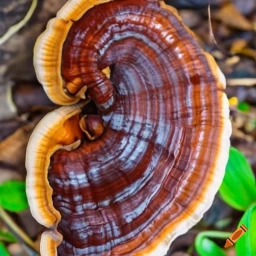
WATCH OUT FOR REISHI FARMED ON RICE AND SAW DUST
It has been studied and shown time and time again that low quality mushrooms grown in this mass fashion are lower in these medicinal compounds we just discussed. Assume the majority of reishi products start with these lower quality mushrooms unless otherwise specified. The most potent Reishi mushrooms are grown on the logs that Reishi is found consuming in nature, or simply wild harvested Reishi, which is the most nutritious.
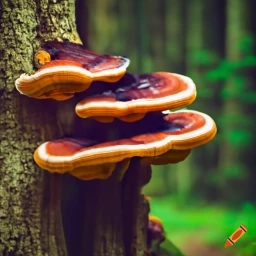
Reishi mushroom prefers to grow on oak, elm, beech, maple, hemlock, plum, chestnut and willow. In my home town in Kansas I have also found vigorous reishi mushrooms growing on honey locust trees in summer time.
ONE MORE IMPORTANT FACTOR IN CHOOSING THE BEST REISHI EXTRACT (VERY IMPORTANT!)
The Reishi mushroom is a very woody mushroom and cannot actually be consumed whole! It must be EXTRACTED to absorb the medicinal compounds- but how? Earlier I mentioned that some of the health bringing compounds in Reishi are water soluble while others are not. How can we expect to receive all of these health benefits from a simple water extraction!? Keep in mind, many Reishi extracts sold are simple water extracts, only providing partial fraction of Reishi’s true longevity and wellness powers. We must be consuming a Reishi extract that includes both the water soluble fraction AND the lipid soluble fraction. Reishi extracted in clean water AND extracted with organic alcohol is what we are ideally looking for to get both of these tonic fractions. The water extraction is combined with the organic alcohol extraction to provide us with the FULL SPECTRUM of Reishi’s true nutritive power. A Reishi extract created with this all inclusive strategy provides what is called a DUAL EXTRACTION, the be all end all extraction method of effective herbalism.
Leave a Reply